

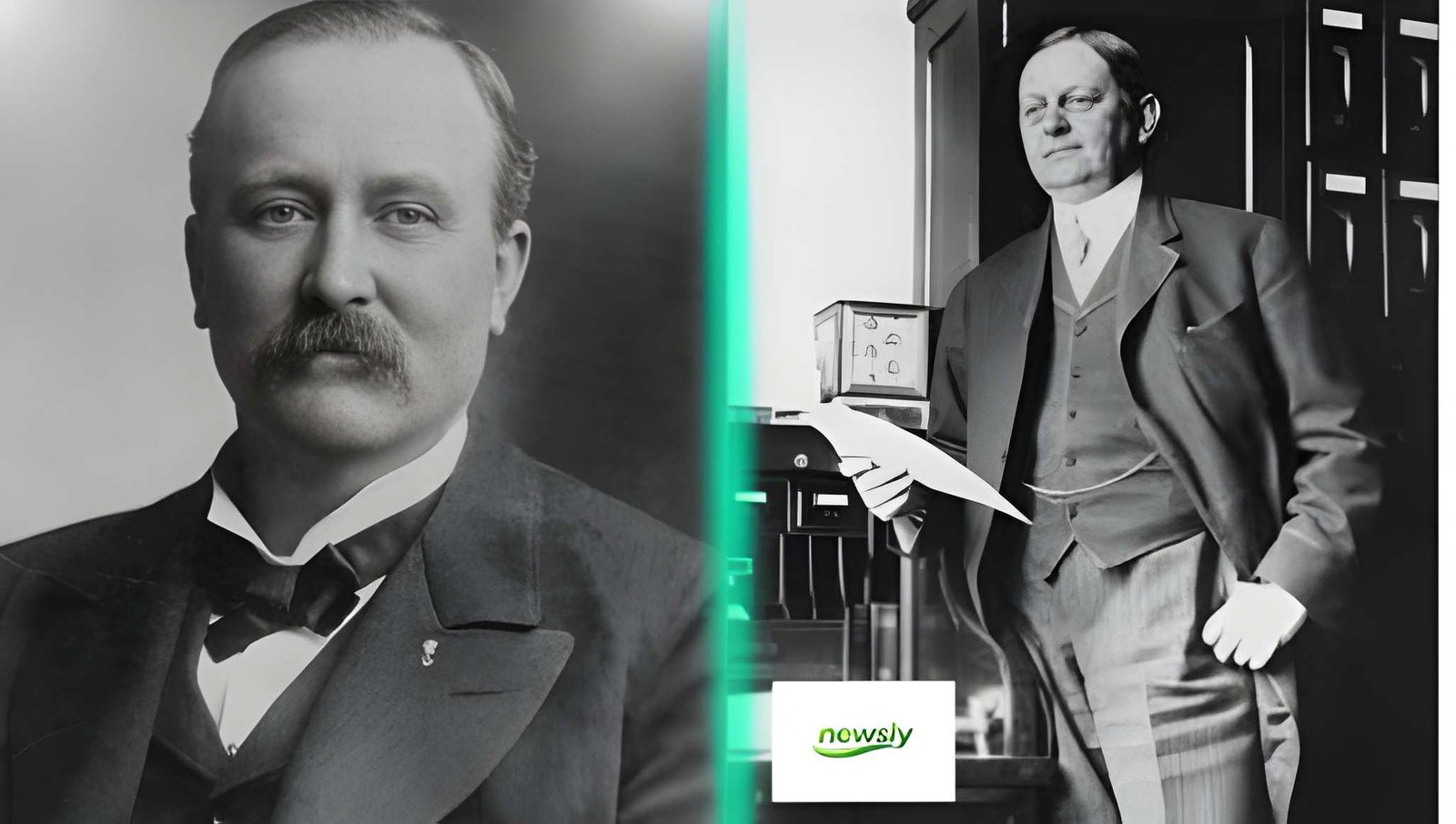
Fordney McCumber tariff entered American history as more than a tax on imported goods; it became a symbol of how fear, recovery, politics, and national pride can shape economic policy. Passed in 1922, the law promised protection for farmers, factories, and workers after World War I. Yet, beneath that promise was a deeper story about a country trying to guard its prosperity while the rest of the world struggled to rebuild. The Fordney McCumber tariff still matters because it shows how domestic comfort can create global tension.
The America That Wanted Protection
After World War I, the United States stood in a strange position. It was richer, more industrial, and more powerful than before, but many Americans felt economically insecure. Farmers had expanded production during the war, only to face falling demand when Europe began recovering. At the same time, manufacturers feared cheaper foreign goods entering American markets. Therefore, protectionism became politically attractive. The Fordney McCumber tariff grew from this mood, offering a simple answer to a complicated postwar economy: raise the walls and protect home industries.
| Year | Development | Why It Mattered |
|---|---|---|
| 1913 | Underwood-Simmons Tariff lowered duties | Marked a move away from high protectionism |
| 1921 | Emergency Tariff Act passed | Gave temporary protection to farmers and industries |
| 1922 | Fordney McCumber tariff became law | Raised import duties and strengthened protectionism |
| 1927 | Foreign retaliation increased | European nations responded with higher tariffs |
| 1930 | Smoot-Hawley Tariff followed | Expanded the protectionist trend during crisis |
What the Fordney McCumber Tariff Actually Did
The Fordney McCumber tariff raised import duties above the lower levels created by the 1913 Underwood-Simmons Tariff. It was named after Representative Joseph Fordney and Senator Porter McCumber, two Republican lawmakers connected to the bill’s progress through Congress. President Warren G. Harding signed it into law on September 21, 1922. In practical terms, the law made many foreign products more expensive in the American market, while also giving the president power to adjust some rates by as much as 50 percent.
A Timeline of the Tariff’s Historical Moment
This timeline shows that the Fordney McCumber tariff was not an isolated event. Instead, it belonged to a longer swing between open trade and guarded markets.
Why Farmers Became Central to the Debate
Farmers were among the strongest emotional arguments for the Fordney McCumber tariff. During the war, American agriculture had grown quickly because Europe needed food. However, when European farms recovered, American farmers faced falling prices, heavy debts, and painful surpluses. Supporters claimed tariffs would protect rural life. Yet the policy could not solve the larger problem: many farmers needed foreign buyers, not blocked markets. As a result, the tariff offered political comfort but limited practical relief for the countryside.
The Factory Floor and the Promise of Security
For manufacturers, the Fordney McCumber tariff sounded like a shield. It suggested that American workers could keep jobs, American companies could hold prices, and foreign competition could be contained. Nevertheless, the law also raised the cost of imported materials and goods. This meant protection for one industry could become pressure for another. In this way, the tariff revealed a lasting truth about economic policy: every protected group has a cost somewhere else, often paid quietly by consumers, exporters, or smaller producers.
Europe Saw the Tariff Differently
While many Americans viewed the Fordney McCumber tariff as domestic protection, Europe saw it as a locked door. After World War I, European governments owed large debts and needed access to American consumers to earn dollars. However, higher U.S. import duties made that harder. Consequently, the law complicated debt repayment and weakened international cooperation. The Office of the Historian notes that one unintended result was making it more difficult for European nations to export to the United States and service war debts.
Retaliation and the Making of a Trade Wall
The Fordney McCumber tariff also encouraged other countries to raise their own barriers. When foreign governments could not persuade the United States to lower duties, many responded with duties of their own. France, Spain, Germany, Italy, Canada, Australia, and others moved toward stronger protection in the 1920s. Therefore, the tariff did not simply defend America; it helped normalize economic retaliation. Once countries began copying one another’s barriers, trade became less about exchange and more about national resistance.
Table of Contents
A Cultural Story About Fear and Confidence
Beyond economics, the Fordney McCumber tariff tells a cultural story. It came from a country proud of its growth but anxious about losing control. Americans had watched war disrupt markets, migration reshape cities, and global finance pull nations together. In that atmosphere, tariffs felt like order. They gave voters a visible policy that promised safety. Yet, like many policies built around fear, the tariff treated the world as a threat rather than a network of relationships that needed careful repair.
The Link to Smoot-Hawley
The Fordney McCumber tariff is often remembered as a warning before the more famous Smoot-Hawley Tariff of 1930. While Fordney McCumber did not cause the Great Depression, it helped set the protectionist pattern of the decade. Later, Smoot-Hawley pushed tariff policy even further during a more fragile economic moment. Britannica describes Fordney McCumber as one of the punitive protectionist tariffs of the period and notes that it preceded the protectionist escalation of 1930.
Why the Fordney McCumber Tariff Still Feels Relevant
The Fordney McCumber tariff remains relevant because tariff debates never really disappear. Countries still argue over jobs, imports, domestic industries, and unfair competition. Moreover, voters still respond to policies that promise protection during uncertainty. The lesson is not that every tariff is automatically wrong. Rather, the lesson is that trade policy must consider both domestic pain and international reaction. When a nation protects itself without understanding the wider system, relief can quickly become friction.
Conclusion: A Wall That Reflected a Nation’s Mood
The Fordney McCumber tariff was built from hope, pressure, and fear. It promised farmers better prices, factories stronger protection, and workers greater security. However, it also made life harder for trading partners, encouraged retaliation, and exposed the limits of economic nationalism. Its legacy is not only about numbers or duties; it is about the emotional politics of protection. In the end, the Fordney McCumber tariff reminds readers that economic walls may feel safe at first, but they often cast long shadows.
FAQs About Fordney McCumber Tariff
What was the Fordney McCumber tariff?
The Fordney McCumber tariff was a 1922 U.S. law that raised import duties to protect American farmers and industries from foreign competition.
Who signed the Fordney McCumber tariff into law?
President Warren G. Harding signed the Fordney McCumber tariff into law on September 21, 1922.
Why was the Fordney McCumber tariff controversial?
It was controversial because it protected some American industries but made it harder for Europe to trade with the United States and repay war debts.
Did the Fordney McCumber tariff help farmers?
It offered political support to farmers, but it did not solve their deeper problems of overproduction, falling prices, and dependence on export markets.
How is Fordney McCumber tariff connected to Smoot-Hawley?
The Fordney McCumber tariff helped strengthen the protectionist mood that later influenced the Smoot-Hawley Tariff of 1930.
